Postdoctoral Research Fellow
Thomas Morin, PhD
Mass. General Hospital & Brandeis University
Cognitive & Computational Neuroscience
From the Lab
About
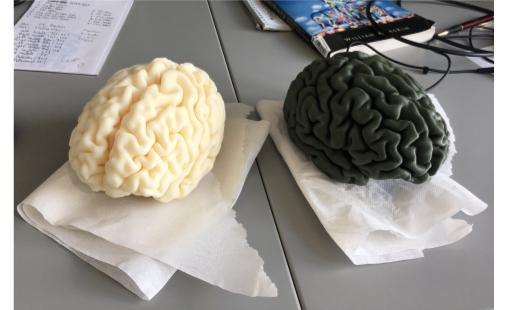
I grew up in a town called Braintree and have lived in the Boston area my entire life. Braintree is a weird name for a town, and when I was a kid I imagined that somewhere there must be a tree with brains growing out of it. I couldn't wait to find this tree, pick my very own brain from among the branches, and see what it looked like. I was wrong about the tree, but now I get to look at brains all the time!
I am currently a postdoctoral research fellow at the MGH Martinos Center and Brandeis University, working at the intersection of cognitive and computational neuroscience. My research uses fMRI, PET, and quantitative methods to study how the brain's large-scale networks support memory, learning, and abstract reasoning.
I completed my PhD in Computational Neuroscience at Boston University, where I worked in the Cognitive Neuroimaging Lab with Dr. Chantal Stern . Before that, I studied Cognitive & Brain Science and Computer Science at Tufts University.
Download CV →Research Areas
My work spans the neural mechanisms of cognition, computational approaches to neuroimaging, and the neurochemistry of cognitive aging.
Dopamine, Aging, & Alzheimer's Disease
Age-related shifts in the dopamine system shape memory and cognition. We use multimodal brain imaging and network science approaches to investigate the neurochemical contributions to resilience and vulnerability to age-related neurodegenerative disease including Alzheimer's disease.
Functional Brain Network Dynamics
Large-scale brain networks don't just activate - they reorganize. Graph-theoretic analyses of task-based fMRI demonstrate how the frontoparietal control network flexibly reconfigures to support rule learning, abstract reasoning, and memory-guided attention.
PET Neuroimaging for Clinical Research
PET imaging as a window into brain biology. Work spans in-human validation of new radiotracers, pharmacokinetic modeling, and comparison of drug-delivery to the brain across routes of administration.
Recent Publications
All publications →-
2026
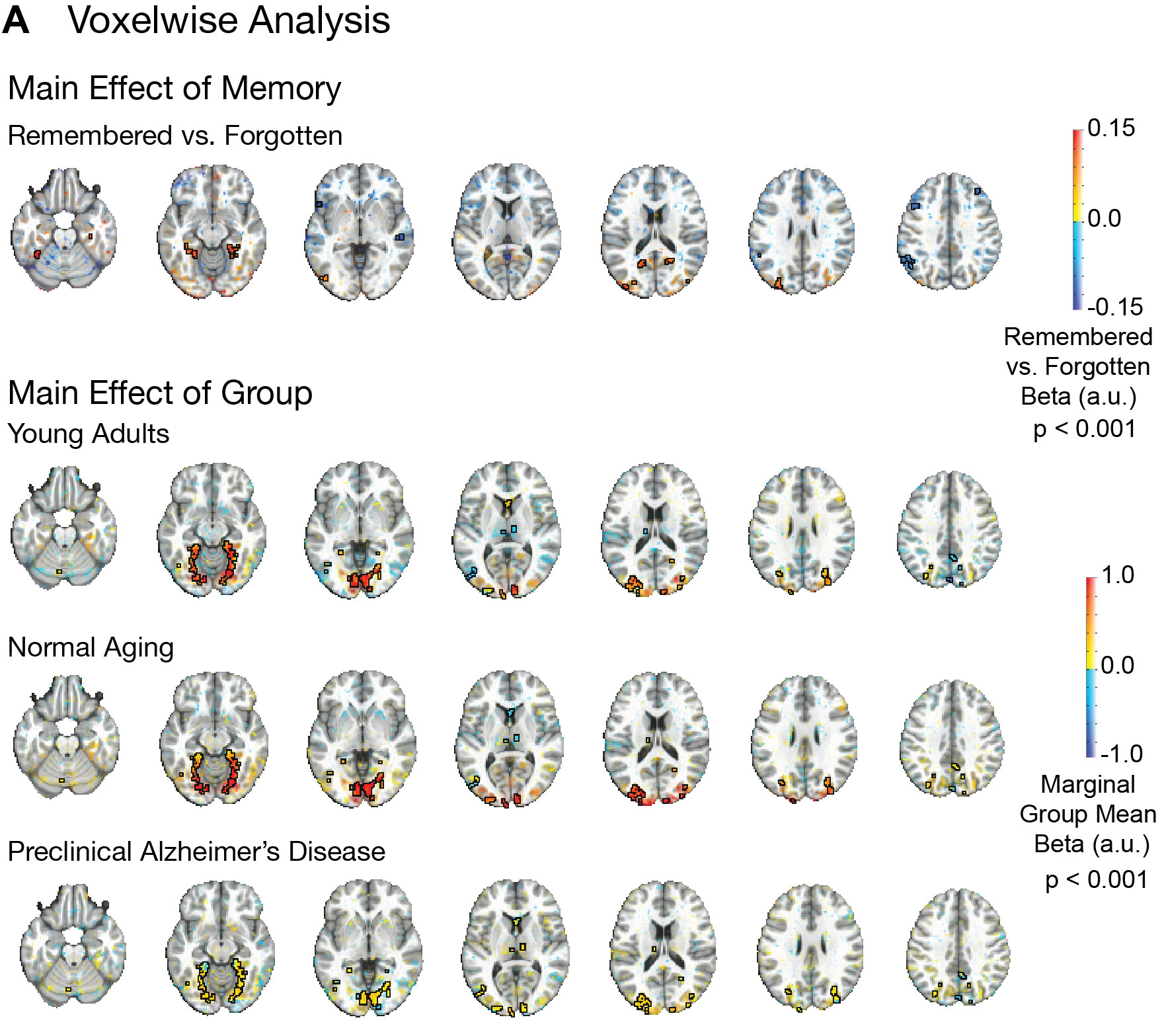
Alzheimer’s Disease Pathologies Affect Dopaminergic Neural Mechanisms of Memory Journal of Neuroscience
-
2026
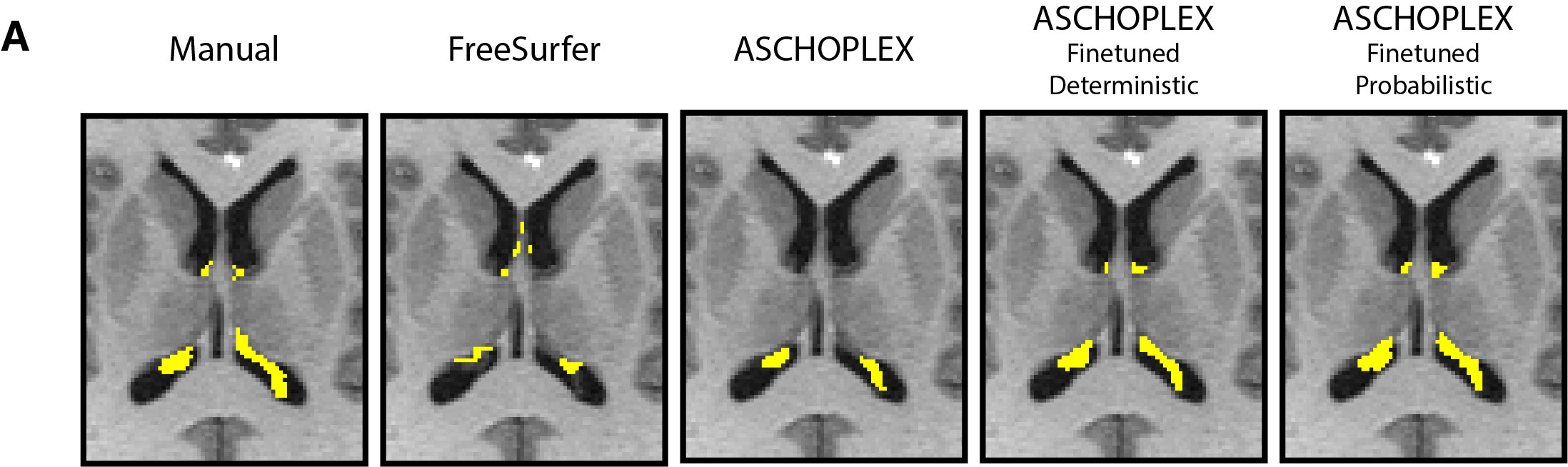
A probabilistic deep learning approach for choroid plexus segmentation in autism spectrum disorder Neuropsychopharmacology: Digital Psychiatry and Neuroscience
- 2026